
Rising costs, fuel pressure and what it means for business margins
By Brittany Lucas·28 April 2026
Across Australia, many businesses are operating in a different cost environment to even 18-24 months ago.
Fuel, wages, insurance, finance costs and supplier pricing have all moved higher. At the same time, revenue has not always increased at the same pace.
For many businesses, the result is simple but serious: margins are being squeezed.
The challenge is that this pressure does not always show up straight away. A business can still be busy, still have revenue coming in and still look stable on the surface. Underneath, profit may be quietly falling.
Why margins are tightening
Margin pressure usually builds gradually.
Costs increase. Pricing stays the same. Jobs that were once profitable become less worthwhile. Cash flow starts to feel tighter, even when the business still has plenty of work.
For a Brisbane trade business, this might show up as:
- higher fuel costs across vehicles and equipment
- increased supplier and material costs
- less efficient job scheduling
- reduced profit on fixed-price work
- higher finance costs on vehicles, equipment or working capital
Individually, these costs may feel manageable. Together, they can shift the financial position of the business.
That is why the current environment is less about chasing growth at all costs and more about staying in control.
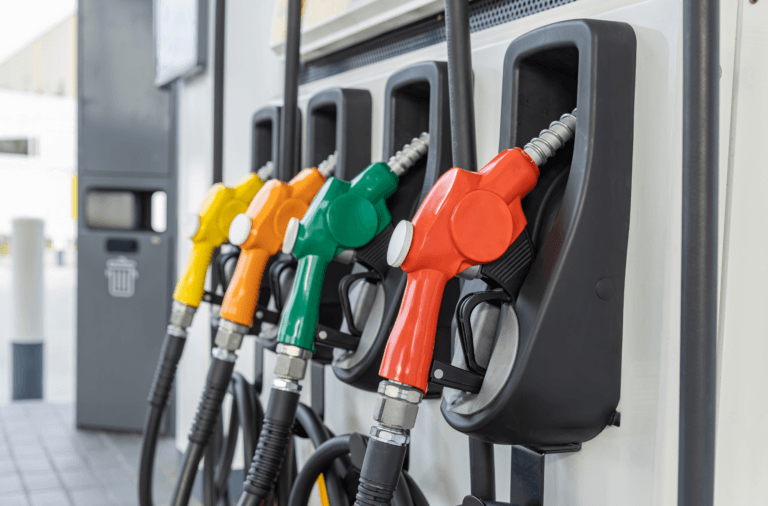
Fuel costs remain a key pressure point
Fuel is one of the more visible cost increases because it flows through so many parts of a business.
It affects vehicles, machinery, delivery costs, supplier pricing and job profitability. Even businesses that do not use large amounts of fuel directly may still feel the impact through freight, materials or contractor costs.
The Australian Government has introduced temporary fuel-related measures, including a reduction in fuel excise from 1 April to 30 June 2026. The Australian Taxation Office (ATO) has confirmed that excise and excise-equivalent customs duty rates for petrol, diesel and most other fuel products, excluding aviation fuels, have been reduced by 60.9% for that 3-month period.
This also affects Fuel Tax Credit rates, so businesses need to use the correct rate based on when the fuel was acquired. The ATO notes that different rates apply before and from 1 April 2026, which is important when preparing Business Activity Statements.
Fuel Tax Credits can help eligible businesses
For eligible businesses, Fuel Tax Credits can provide a useful offset against fuel costs.
They allow businesses to claim back part of the fuel tax included in fuel used for business activities. This may apply to fuel used in plant and equipment, off-road activities, and eligible heavy vehicles over 4.5 tonnes, with specific rules applying to public road use.
In practice, some businesses either do not claim when they may be eligible, or underclaim because the rules are not always straightforward.
Fuel Tax Credits will not solve margin pressure on their own, but they can support cash flow when claimed correctly.
ATO fuel response support
The ATO has also introduced a temporary fuel response payment plan for eligible taxpayers affected by high fuel costs.
The ATO states that eligible taxpayers may be able to access a payment plan with no upfront payment, a 3-year period of 36 equal monthly instalments and potential general interest charge remission, provided the relevant payment and lodgment conditions are met.
→ The payment plan is available by application until 30 June 2026.
This is not automatic. Businesses need to meet the eligibility requirements and engage with the ATO in the right way.
For many businesses, this is where advice matters. A clear request, supported by the right financial context, can help explain the position and improve the quality of the discussion.
What well-run businesses are doing now
The businesses we are seeing navigate this period best are not sitting back and waiting for conditions to improve.
They are getting closer to their numbers and making practical decisions early. In many cases, that means:
- reviewing pricing against current supplier, labour and fuel costs
- looking at which jobs, clients or service lines are actually profitable
- tightening scheduling, rostering and supplier arrangements
- checking Fuel Tax Credit claims are accurate and up to date
- using forecasts to make decisions before cash flow pressure builds
What stands out is not that these businesses have avoided cost pressure altogether. Most have not. The difference is that they can see what is happening early enough to respond.
Once there is clear visibility over where margin is being made and where it is being lost, decisions become much easier. Pricing conversations are more informed. Cash flow planning becomes more practical. And small issues are less likely to become larger problems.
Bringing it together
Rising costs are not just a temporary inconvenience. For many businesses, they represent a reset in the cost base.
Temporary fuel relief and Australian Taxation Office payment support may help ease short-term pressure, but they do not replace the need for strong pricing, clear cash flow visibility and accurate financial data.
The LINK Advisors team works with business owners to understand where margins are being made and lost, review pricing and cash flow position, and respond with confidence before issues compound.
Contact us if you would like help getting clear on your numbers.