
Dual cab Utes and FBT: what small businesses need to know
By Brittany Lucas·19 February 2026
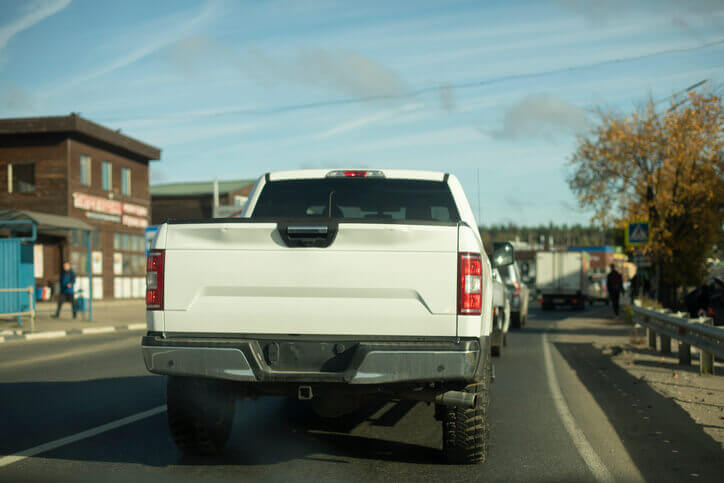
For many small business owners, including tradies, contractors and growing teams alike, dual cab utes are essential tools of the trade. But there’s still confusion about how these vehicles interact with fringe benefits tax (FBT), especially where personal use is involved.
The ATO has continued to emphasise that dual cab utes aren’t automatically exempt from FBT, despite ongoing myths to the contrary. However, with a clear understanding of how the rules work and smart planning, your business can stay compliant and make sensible decisions about vehicle use.
How FBT applies to work vehicles
Fringe benefits tax applies when an employer provides a non-cash benefit, such as use of a vehicle, to an employee and it’s available for personal use. The ATO treats this as a fringe benefit because it’s a benefit outside regular salary or wages. For dual cab utes, the key drivers of whether FBT applies are:
- Vehicle eligibility
To be potentially exempt from FBT, the ute must be an eligible vehicle, which generally means it’s designed primarily for work use. For example, vehicles that are designed to carry a load of one tonne or more qualify as eligible. - Limited private use
Even if the Ute is eligible, FBT won’t apply only there is “limited private use”. That means personal use must be minor, infrequent and irregular, such as short trips incidental to a work day or occasional errands that don’t significantly increase private kilometers.
If both these conditions are met, the vehicle may be FBT-exempt in relation to those personal trips. Otherwise, FBT may be payable, and the taxable value of the benefit must be calculated and reported.
What “limited private use” really means
The ATO’s definition of “limited private use” can seem subjective, but in practice it means:
- Travel between home and work.
- Travel incidental to performing work tasks.
- Occasional personal trips that are minor, infrequent and irregular (such as a rare trip to the tip, or helping a friend once).
If the vehicle doubles as a family car, school run machine or regular weekend getaway ute, personal use is likely too high and FBT will apply.
A real-world compliance risk many businesses overlook
Some businesses have faced ATO scrutiny after featuring branded dual cab utes on their social media or marketing materials. Images showing utes at weekend sporting events or used recreationally have been used to question “limited private use” claims.
While branding alone doesn’t create an FBT liability, it can make vehicle use more visible and easier for the ATO to challenge where records don’t support the exemption.
Why this matters for your business
If FBT does apply, there are a few outcomes for your business to consider:
- FBT must be calculated and paid on the taxable value of the benefit you’ve provided.
- You’ll need to prepare and lodge an FBT return by the due date each year.
- Reportable fringe benefits may need to be reported on employee income statements if they exceed reporting thresholds.
These steps add administrative burden, so planning ahead helps you avoid surprises.
Strategies to stay compliant and minimise FBT risk
Here are positive, practical ways to manage FBT considerations around dual cab utes:
1. Document actual vehicle use
Keeping a simple log, such as regular odometer checks and notes on private vs work travel, gives a strong basis for determining whether use meets “limited private use” conditions.
2. Set clear internal vehicle-use policies
Establish and communicate guidelines about personal use of work vehicles. Not only does this help manage expectations, but it also strengthens your position if the ATO enquires.
3. Review annually
Your business needs evolve over time. Take time each year to reassess how vehicles are used and whether your FBT position has changed. This proactive approach can prevent penalties and liabilities when the end of the FBT year rolls around (31 March).
4. Seek expert advice
A qualified tax adviser can help you interpret the rules in the context of your specific business and structure your fleet use in a way that balances compliance with operational efficiency.
Staying compliant with FBT on dual cab utes
The ongoing FBT focus on work vehicles by the ATO makes it important for small business owners to understand the rules around dual cab utes. Rather than seeing FBT as a tax trap, view it as a compliance issue to manage with good policies, accurate records and informed decisions.
By embracing the right strategies and treating vehicle use as part of your broader compliance program, your business can stay on the right side of the ATO while making the most of its assets.
If you have questions about how FBT applies to your vehicles or want to optimise your strategy, the LINK Advisors team can help you understand your obligations and opportunities, including different ways to structure the provision of motor vehicle benefits for employees.